How to throw a pickleball birthday party
A pickleball birthday works because it is the rare activity a fourteen year old and a seventy year old can play in the same game. You need a court that takes a booking, a headcount, and a format that keeps everyone rotating. This guide covers the booking, the cost and the running of it.
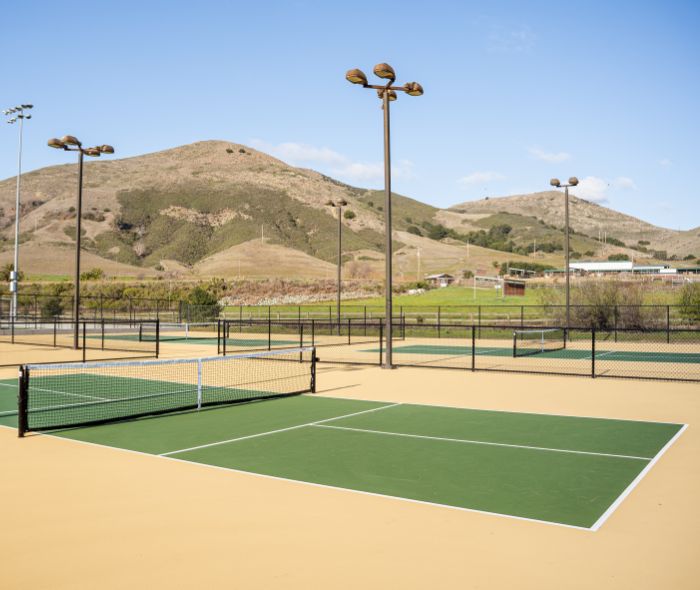
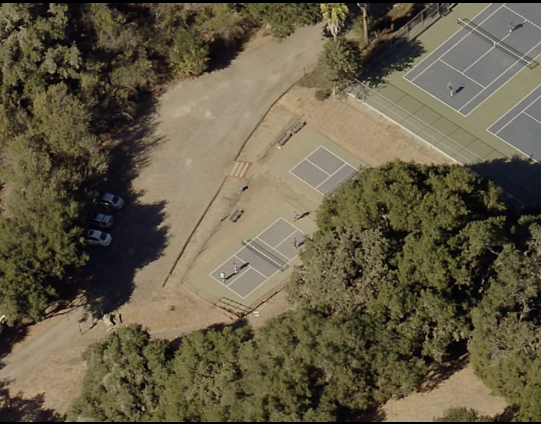
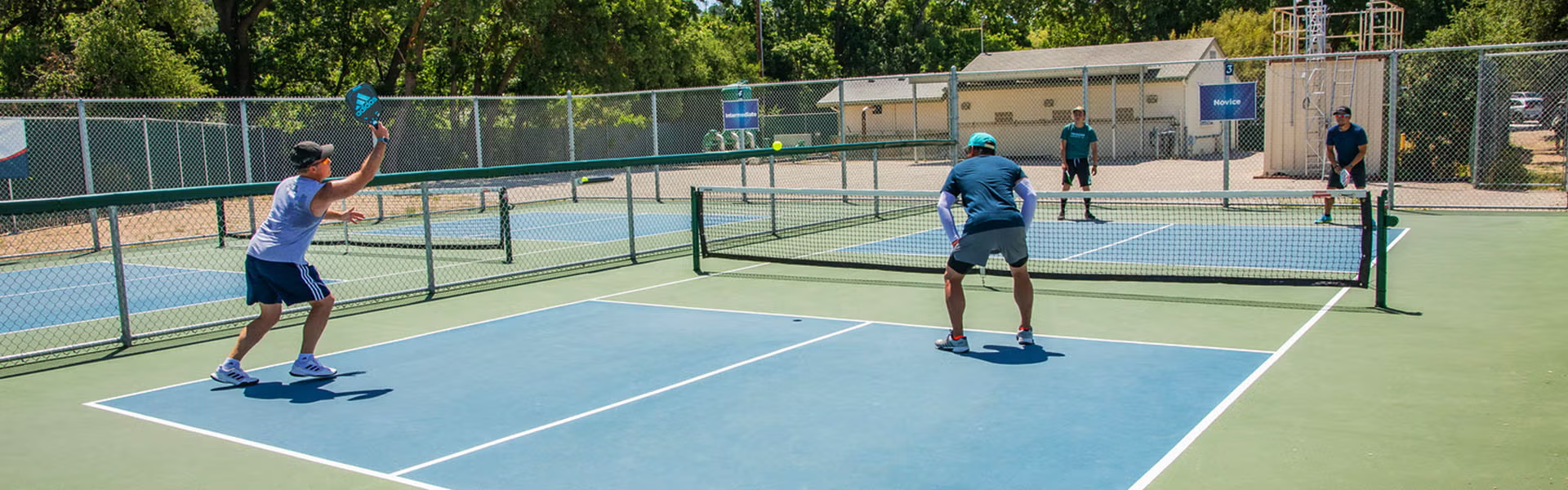 Atascadero Lake Park
Decide these first
The age spread, not the headcount
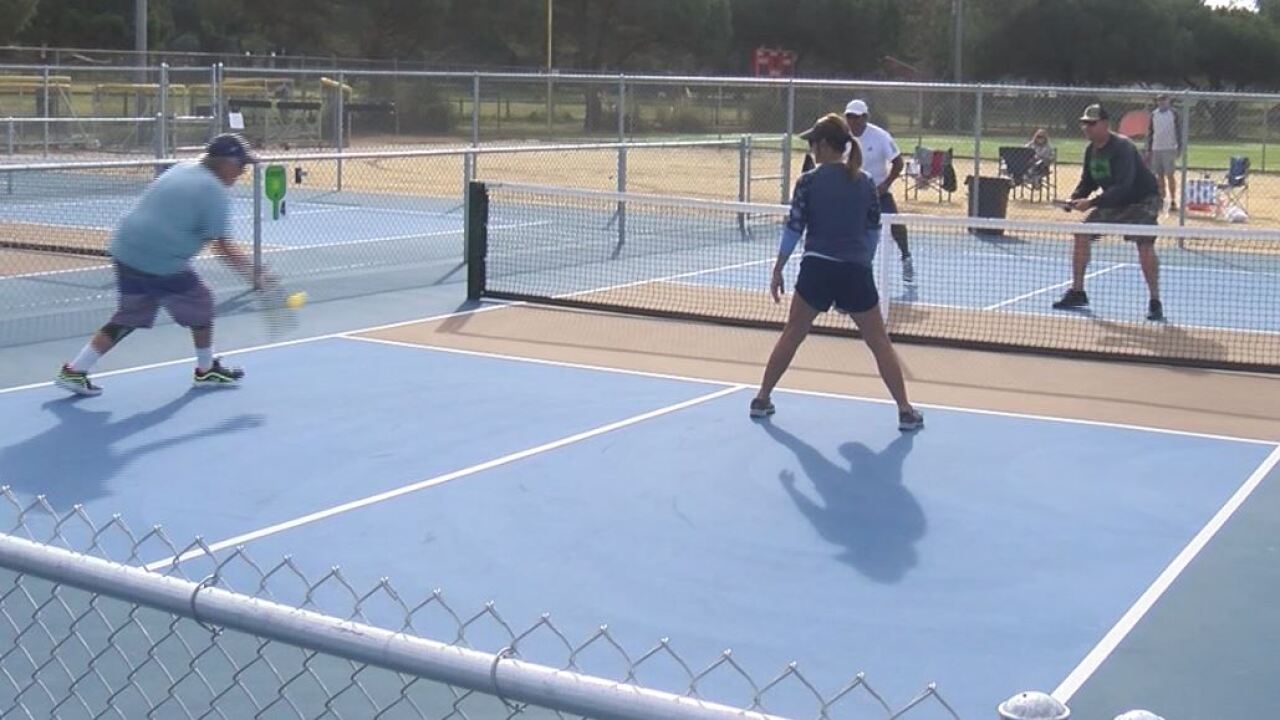
Family birthdays run from teenagers to grandparents, and that spread is the thing to plan around. Pickleball handles it better than almost anything else, but only if games are short and partners rotate so the fastest people are not always together.
How long people will actually play
Two hours is the sweet spot for a mixed-age group. Beyond that the youngest are still going and everyone else has moved on to the food. Plan for the party to continue after the pickleball ends rather than assuming it fills the afternoon.
Whether you need somewhere to sit
Half the group will be off court at any moment, and a venue with shade, tables and a restroom turns that into part of the party rather than standing around. Park venues with picnic areas are worth more here than extra courts.
The steps, in order
The process at a public venue on the Central Coast. What each one means at a specific site is in the table below.
Check private events are allowed
Most public courts are first come, first served. Closing part of one for a private group is a different permission, and it is the answer that decides whether the rest is worth reading.
Work out your headcount
Group size is what usually changes the paperwork. Past a certain number a simple reservation becomes a special event permit, with a different form and a longer wait.
Apply for the permit
The form, and who actually approves it.
Start early enough
Lead time is the step people get wrong. Approval is not instant, and the dates you most want are the ones already taken.
Sort the insurance
Venues generally require the person hiring the courts to carry liability cover for the day. Many cities run a portal that sells exactly that, for an event of this size, in a few minutes.
Budget it
Court hire is rarely the whole bill. Permits, staff and deposits are the rest of it.
Check the rules for the day
Music, food and alcohol are the three that catch people out, and they are decided by the venue, not by you.
Running it for a mixed-age group
The failure case is the four fittest people holding a court while everyone else watches. Rotation fixes it, and rotation is entirely a decision you make before anyone arrives.
Where you can actually do it
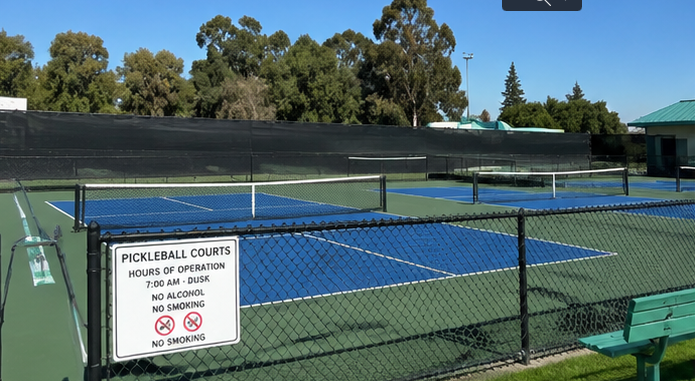
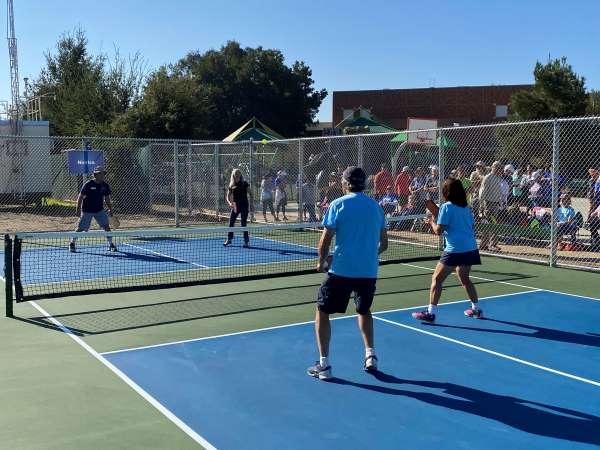
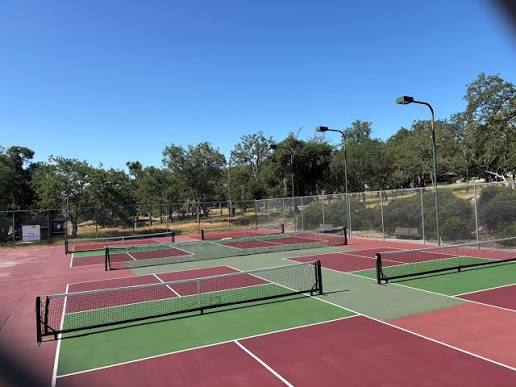
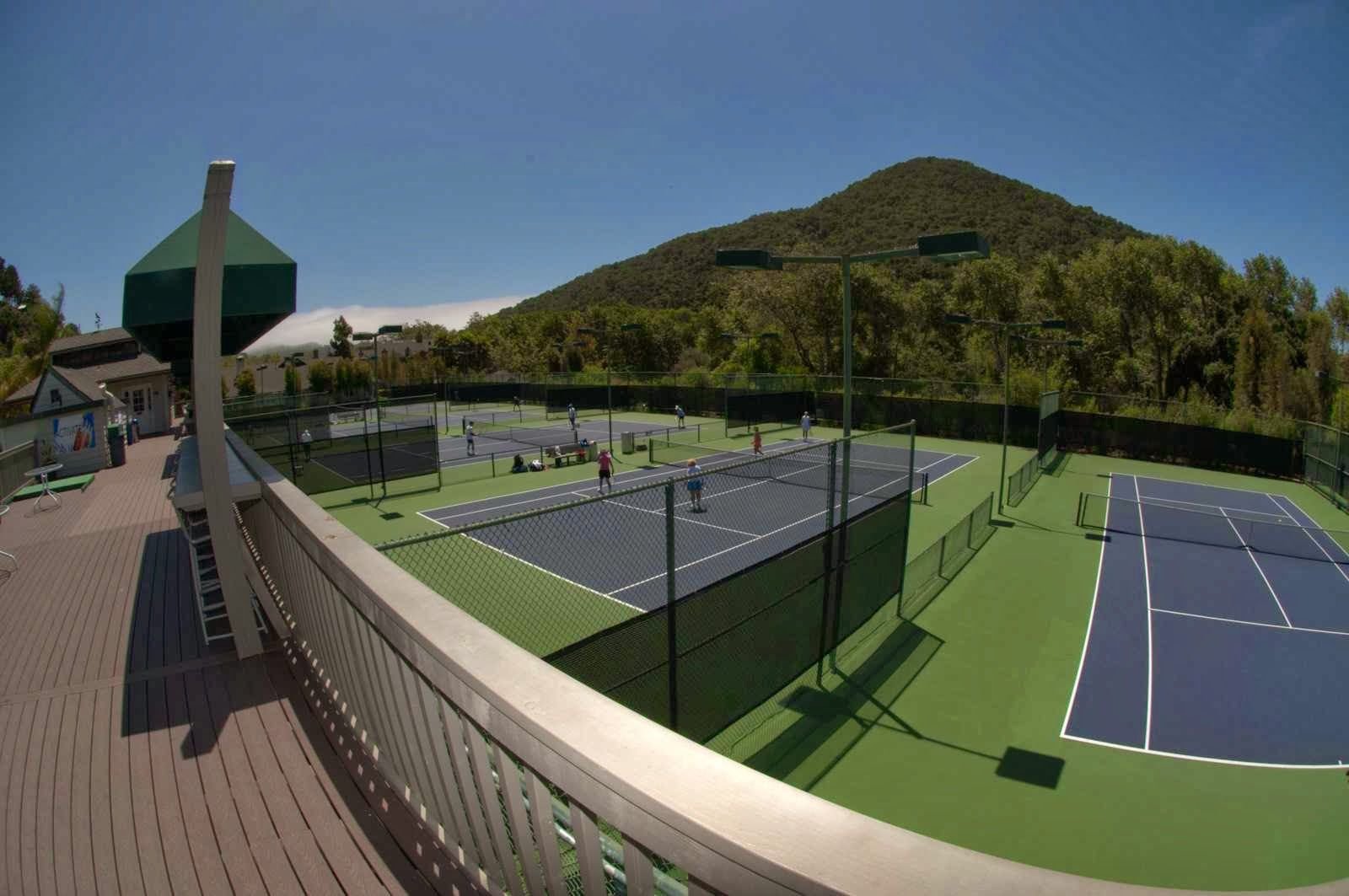
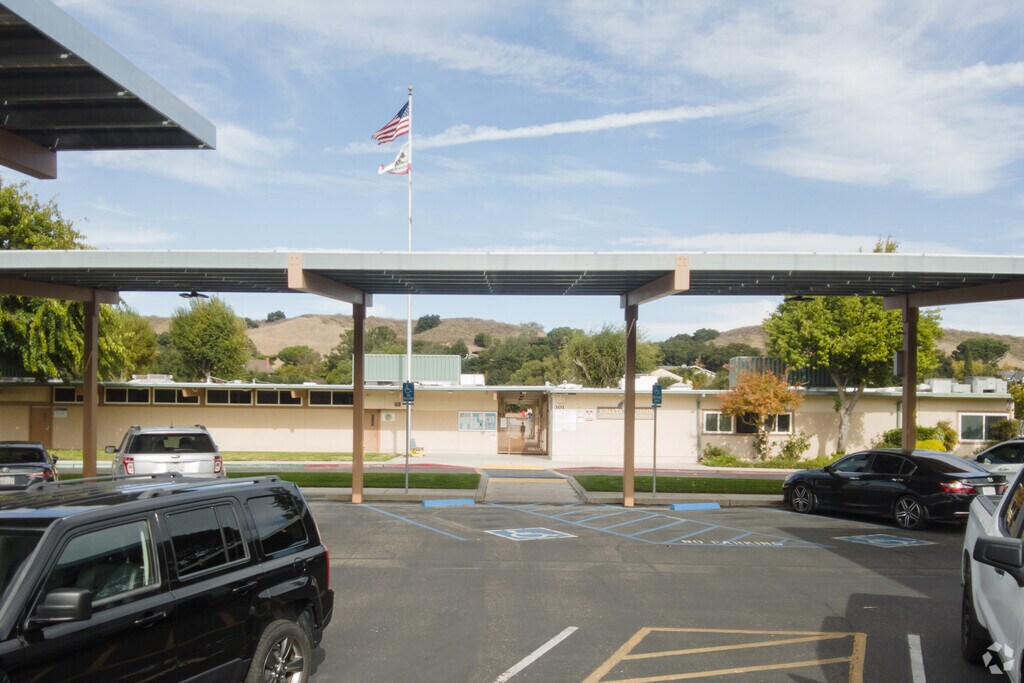
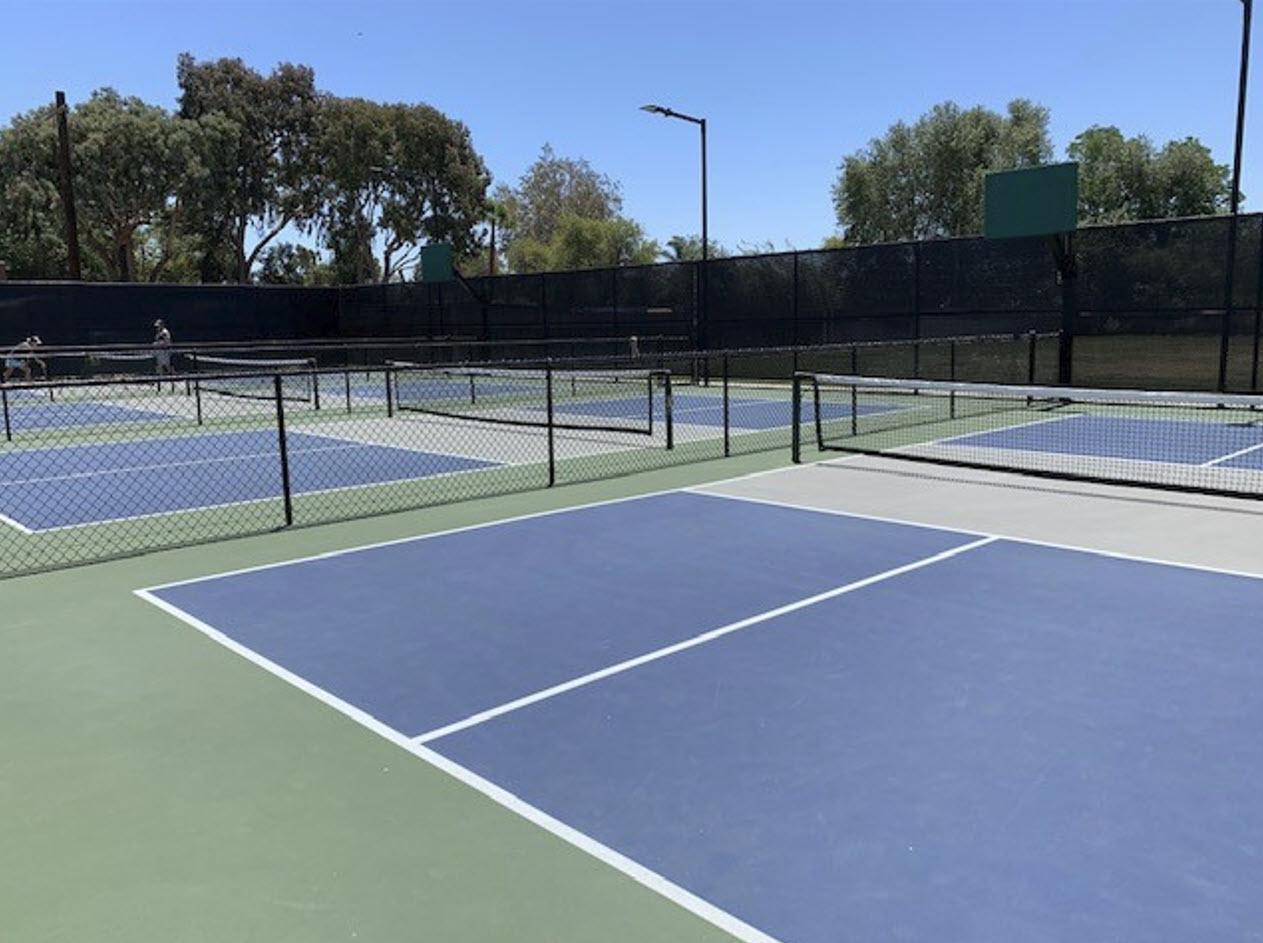
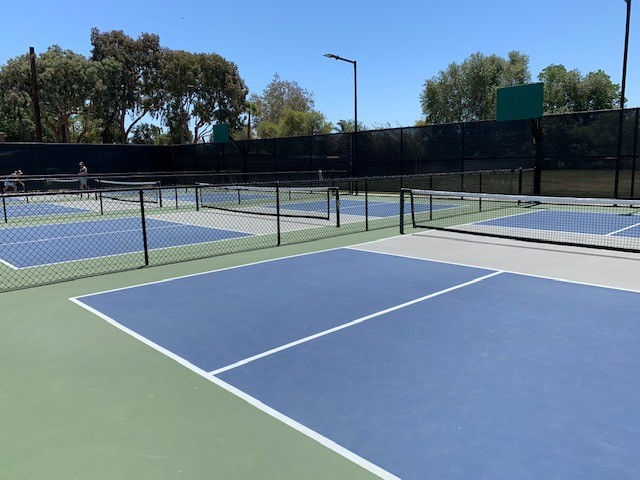
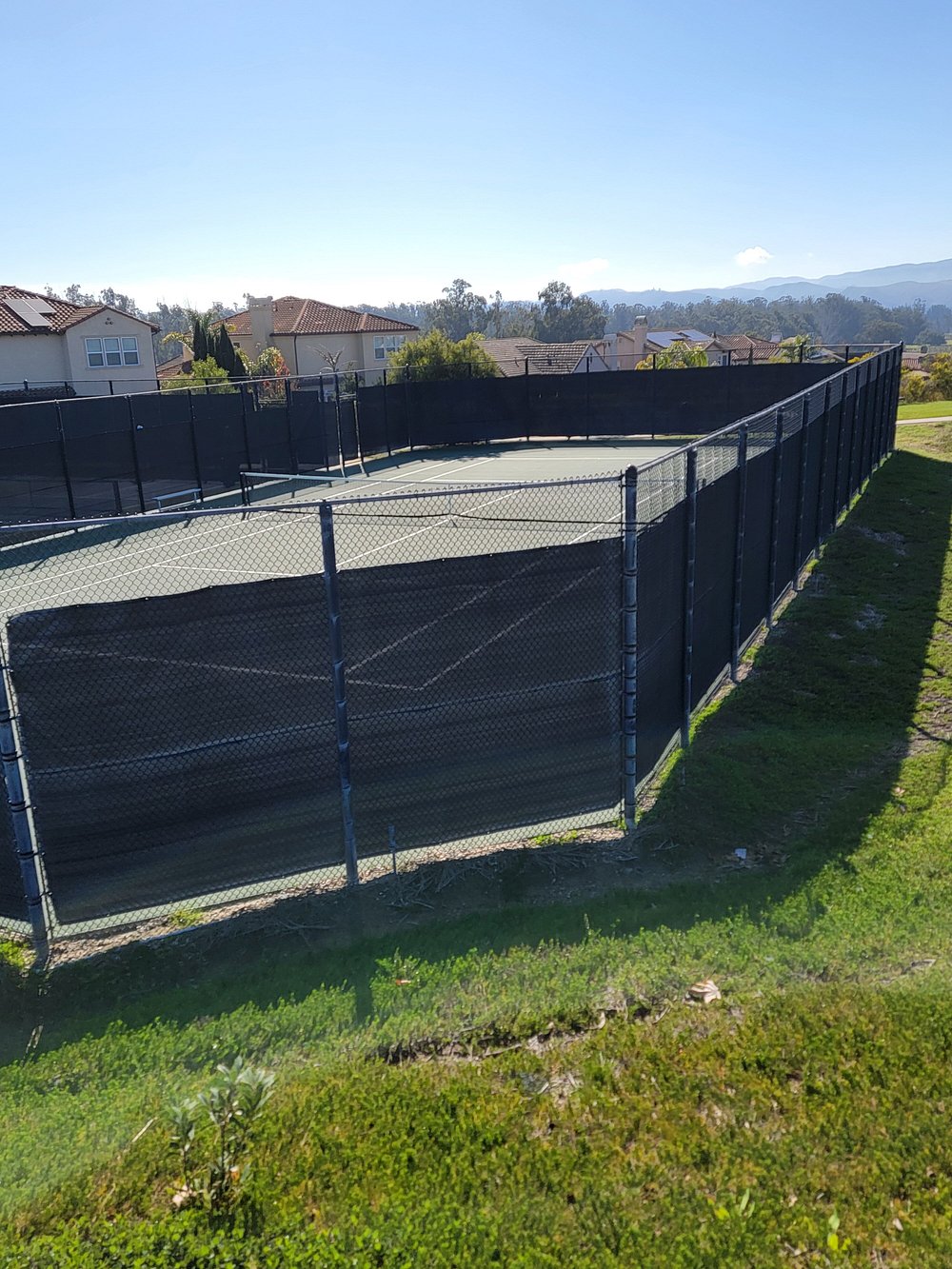
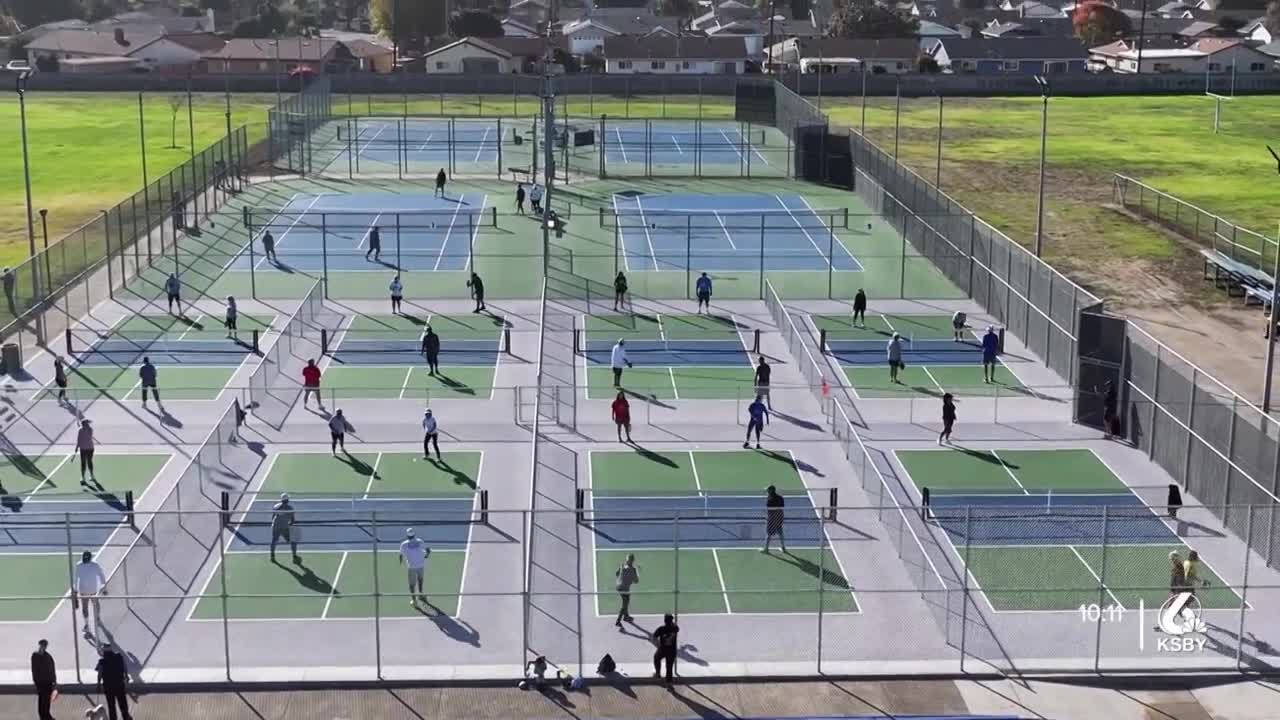
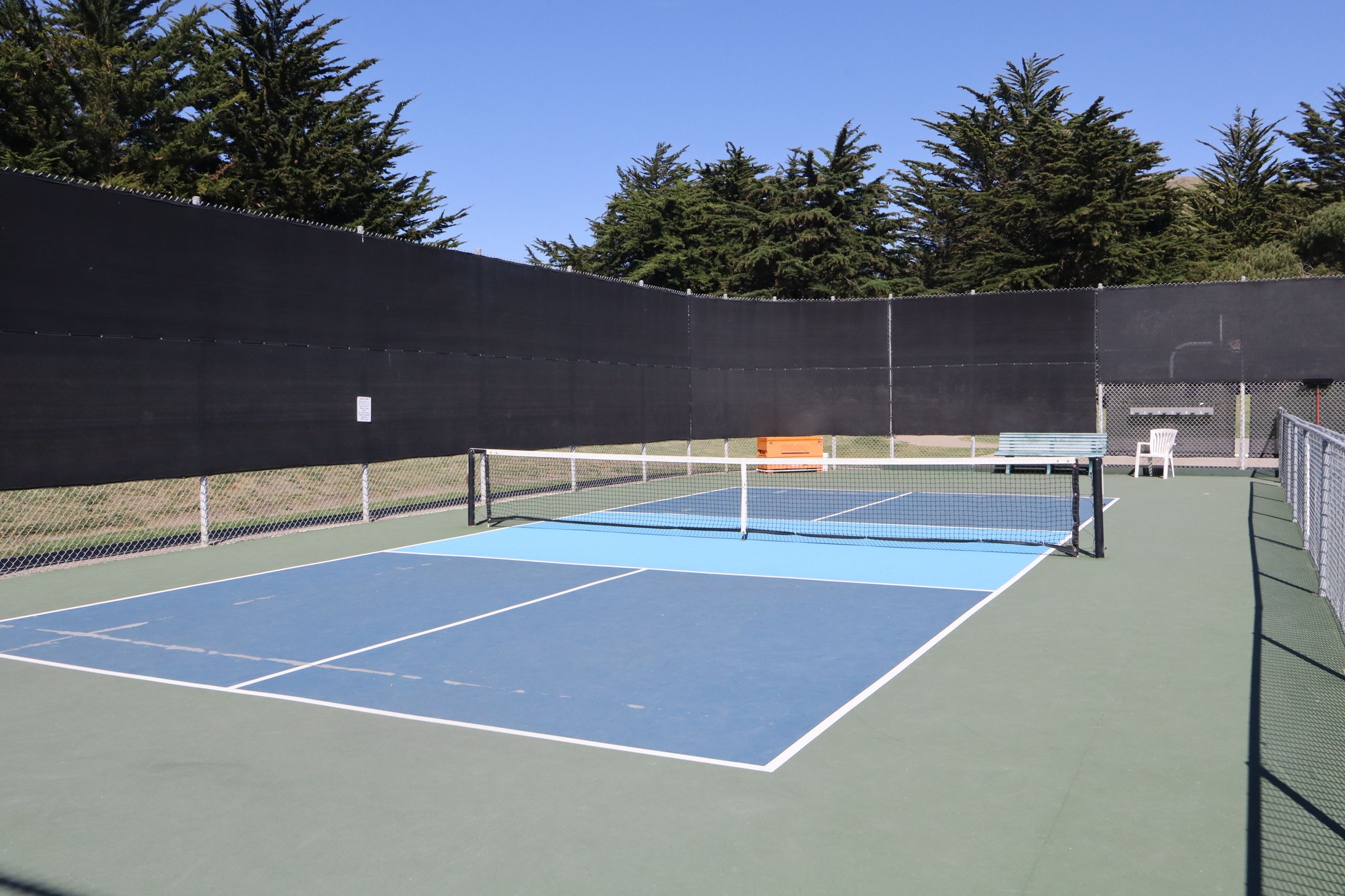
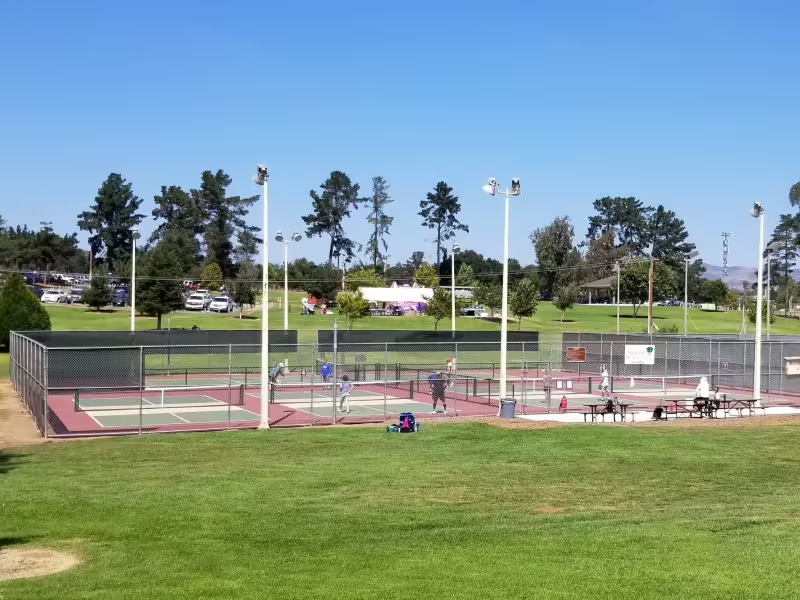
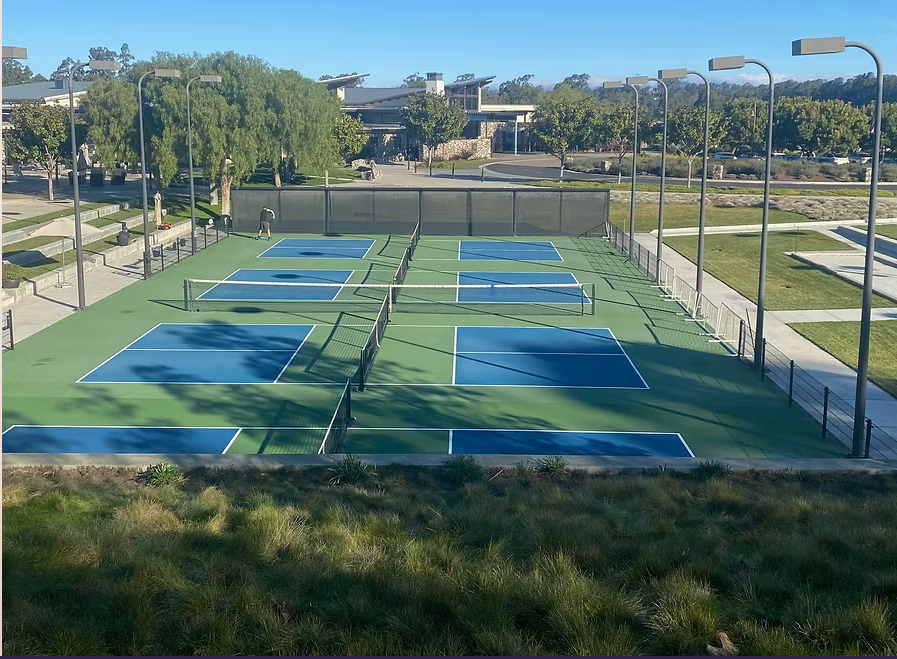
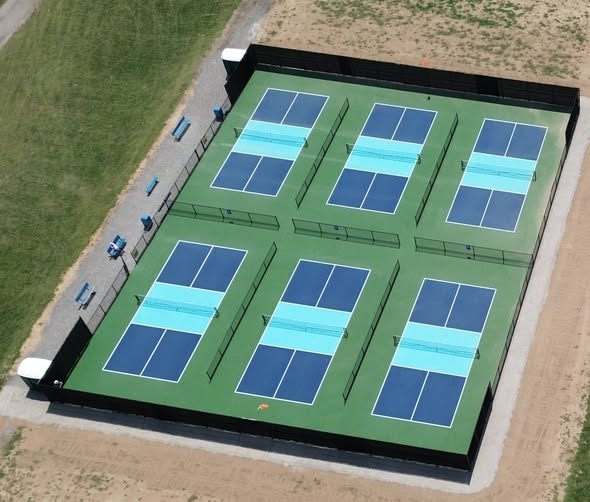
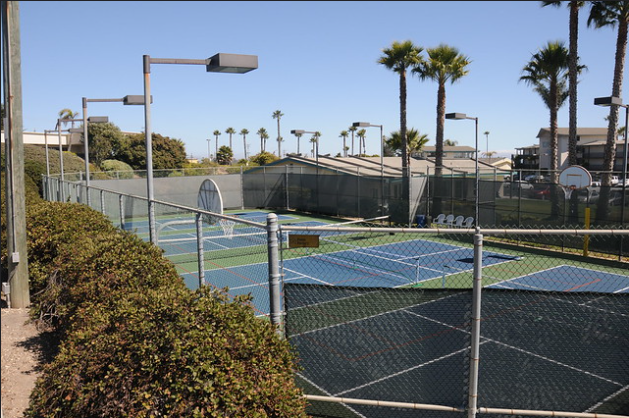
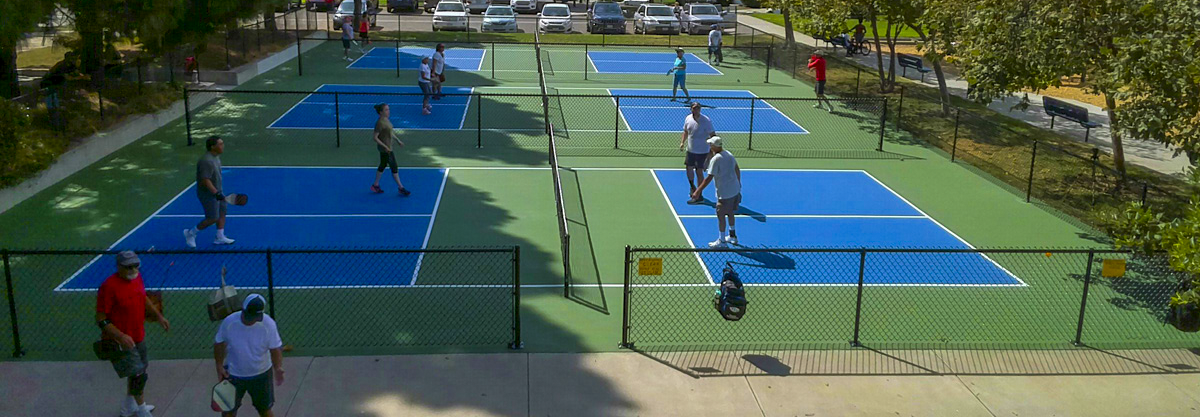
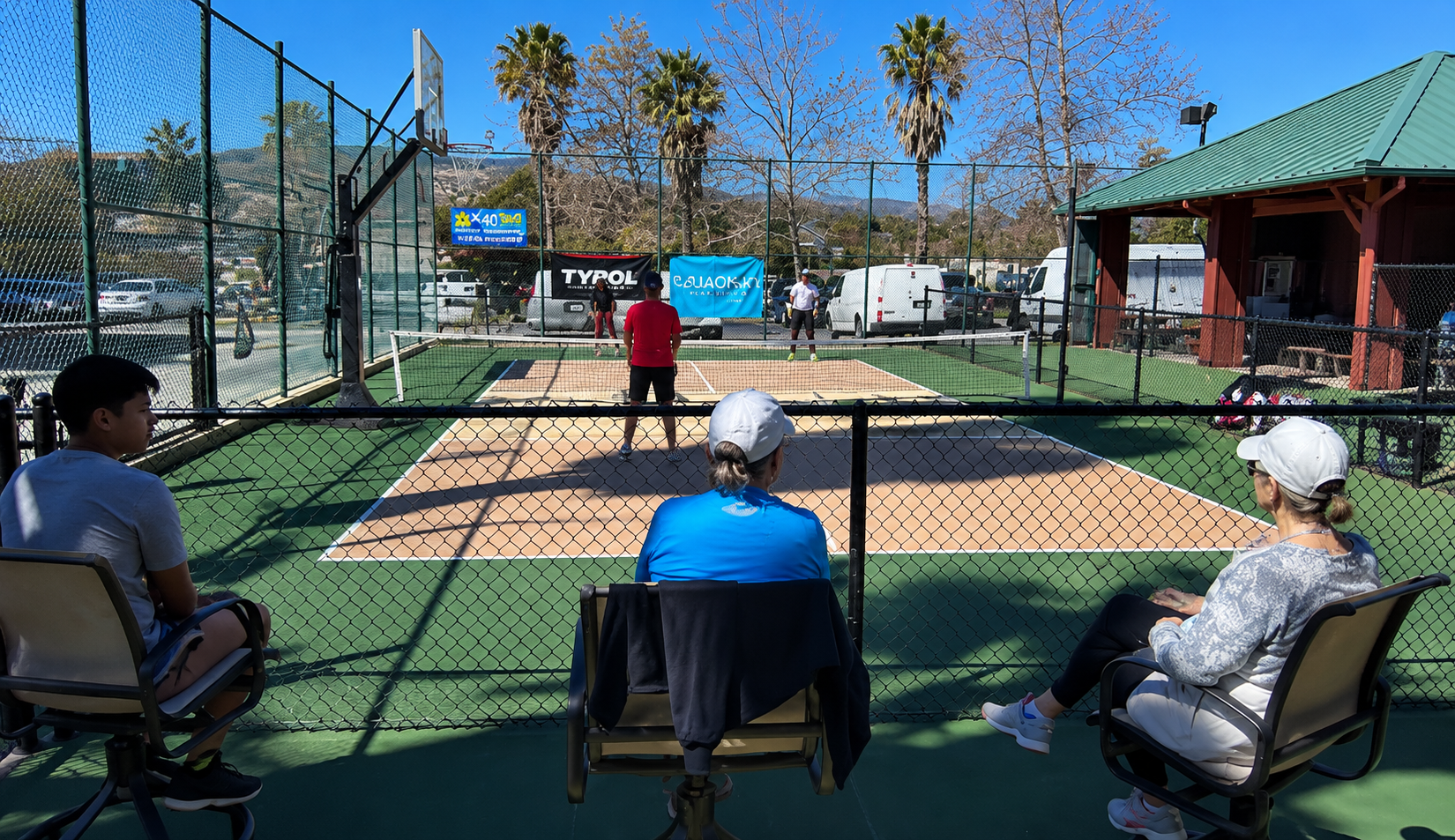
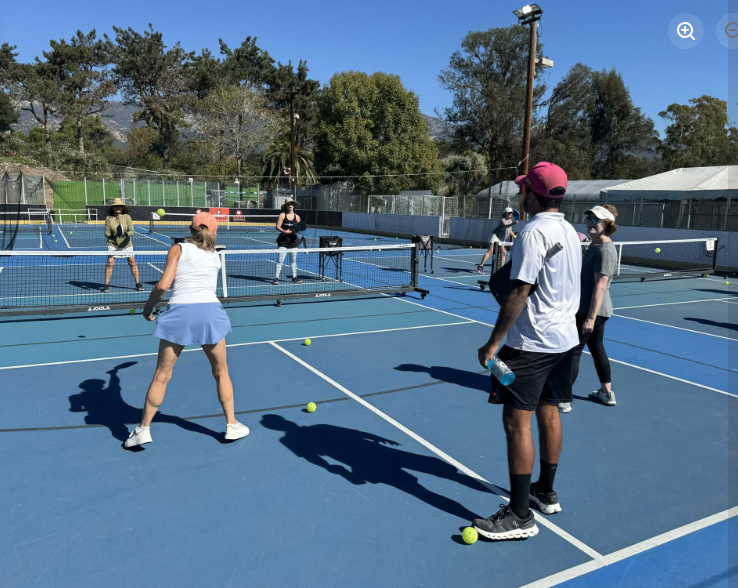
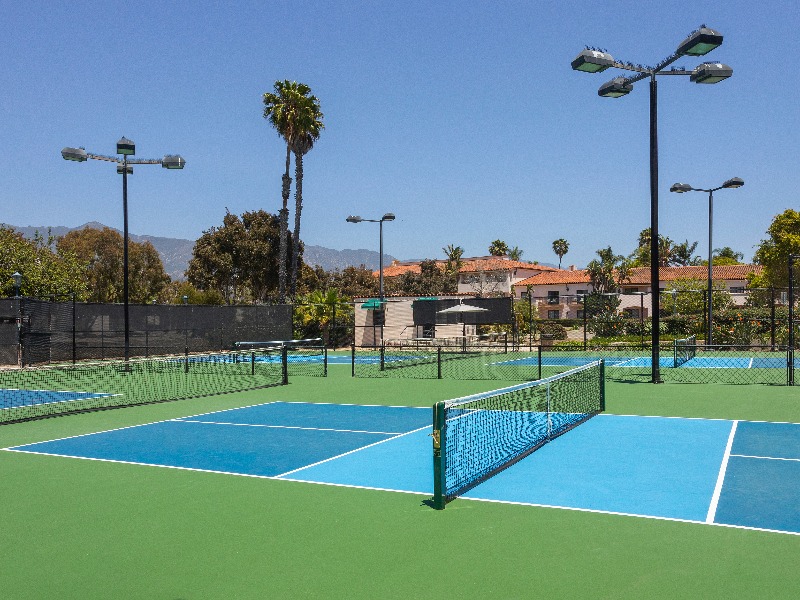
Central Coast venues that take private bookings, from our own court research. Open one for its hours, fees and what to expect.
Questions
How much does a pickleball birthday party cost on the Central Coast?
Doing it yourself, public court rates in this region are often free or a few dollars per court per hour, plus paddles if the group does not own any. Having it run for you starts at $1,950 for up to 40 guests over 2.5 hours, including courts, equipment and a host.
What age can play pickleball?
Anyone who can walk and swing a light paddle. The court is a quarter the size of a tennis court and the ball travels slowly, which is why a family group spanning teenagers to grandparents can play the same game without anyone being carried.
Does everyone need to know how to play?
No. Pickleball is the rare sport where a complete beginner and a regular player can enjoy the same game. The court is small, the ball is slow, and scoring takes two minutes to explain. Matching people so games stay even matters far more than anyone having played before.
What equipment do you need for a pickleball event?
Paddles and balls for every court, and portable nets if the venue does not have permanent ones. Guests need flat shoes and nothing else. If we run the event, all equipment is provided.
What happens if it rains?
Outdoor courts are unplayable wet, so an outdoor booking needs either a reschedule clause in the permit or an indoor backup. Ask the venue what their rain policy is before you pay a deposit, because most public permits do not refund for weather.
How far ahead do you need to book?
Lead times on the Central Coast run from a couple of weeks to a couple of months depending on the venue and the group size, and passing a headcount threshold usually moves you onto a slower special event permit. The court guide for each venue has its specifics.
Or let us run the party
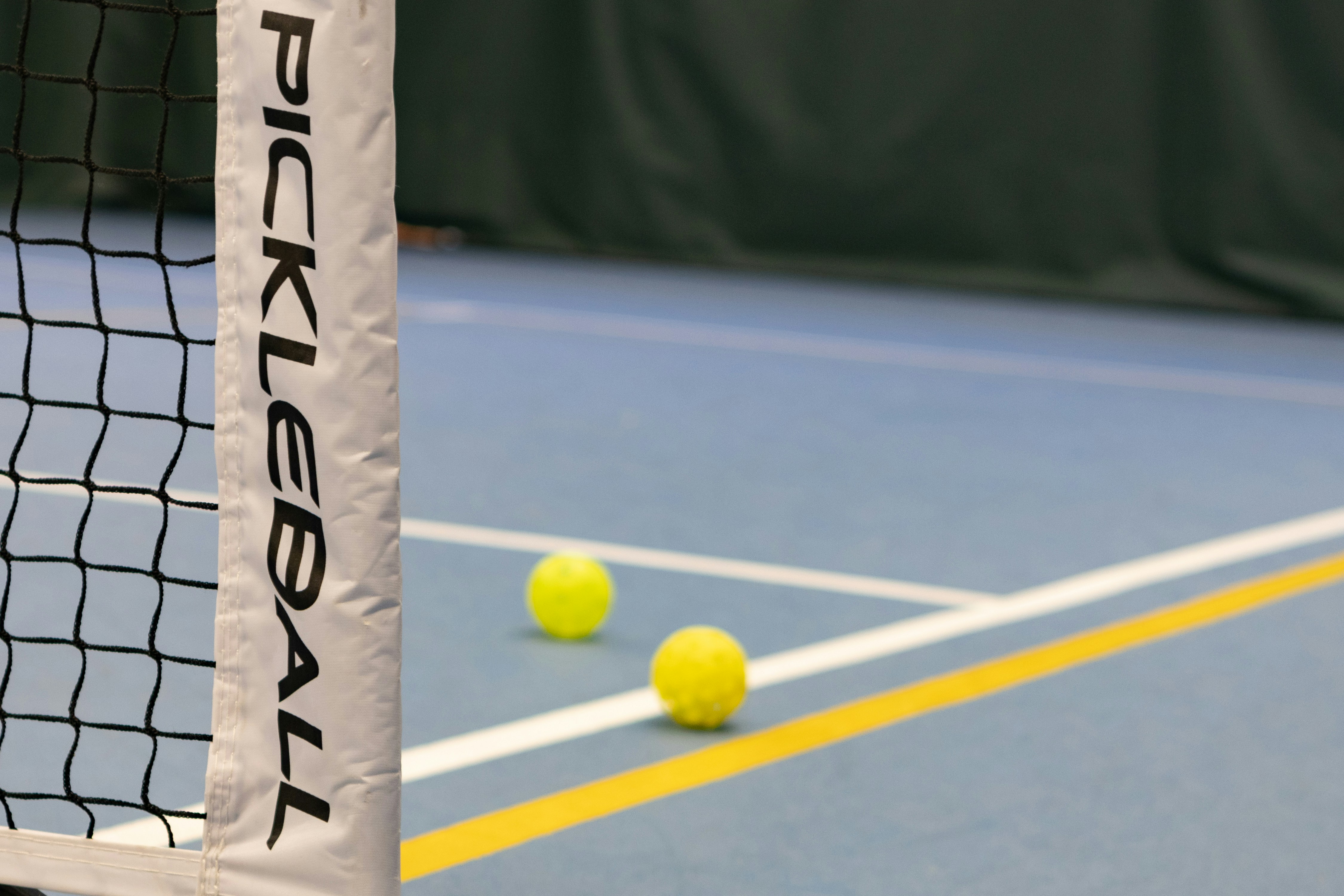
Courts, paddles, and a host who teaches everyone and keeps the rotation moving, so whoever organised it gets to sit down.
Both fixed packages are ballpark figures. The final quote is confirmed on a short call, because court rental varies by venue.